

Why prescription review matters in online healthcare
A safe prescription is not simply “the medication you want” — it’s the medication that is appropriate for your health history, your current medications, your risk factors, and your treatment goals. This is especially true for modern metabolic therapies such as GLP-1 medications and dual incretin options, where dosing, interactions, and contraindications matter.
Online platforms sometimes feel like e-commerce, but healthcare is not retail. The same product can be safe for one person and risky for another. That’s why Vitercure uses a clinician-led workflow: to reduce preventable side effects, avoid unsafe combinations, confirm eligibility, and ensure patients understand what “safe use” actually means.
Vitercure’s safety principle
No prescription is approved by default. A licensed clinician reviews medical appropriateness and risk, and a partner pharmacy typically performs an additional verification step before fulfillment.
Helpful next steps (internal links): Start consultation • Browse medications • Explore resources • Read FAQs.
Step 1: Secure intake review (context, not checkout)
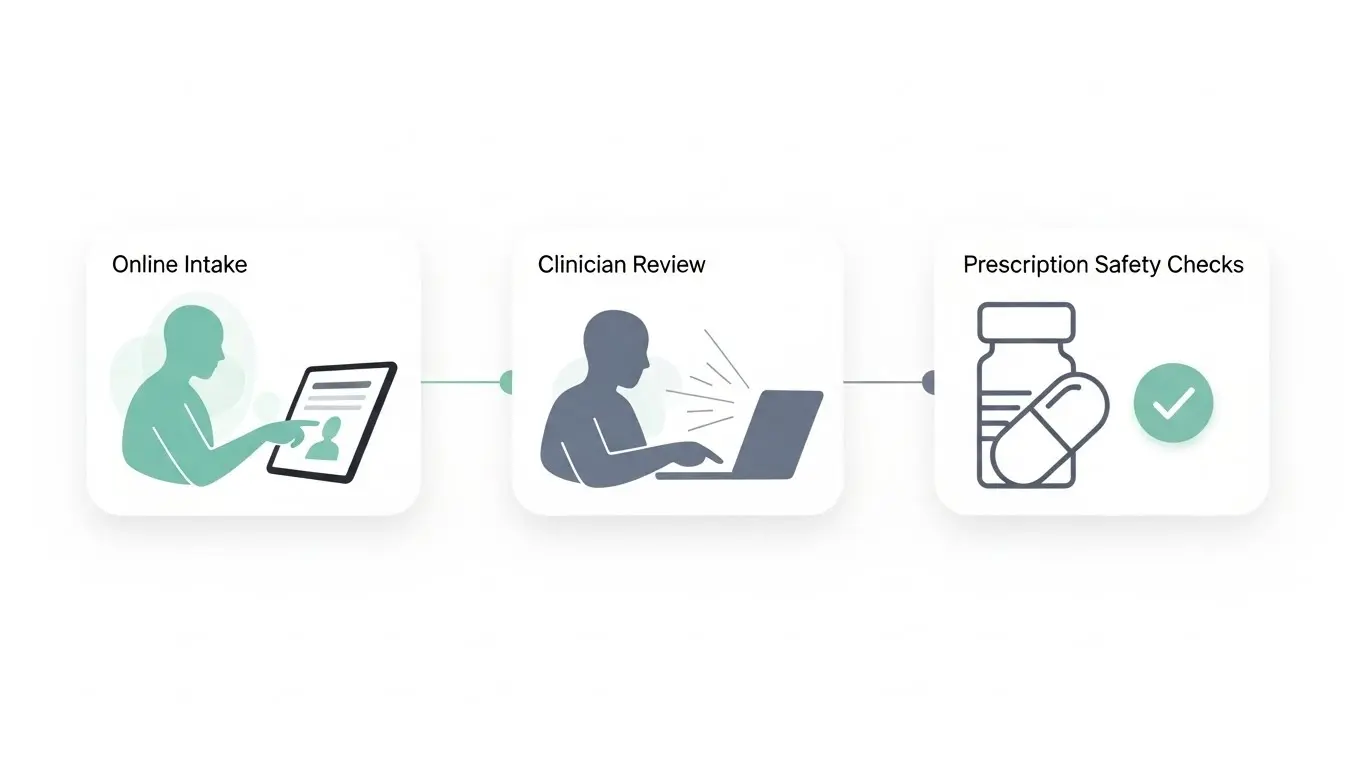
The first safety layer is a structured intake that captures context — not just a purchase intent. Clinicians review your goals (weight loss, glycemic control, cardiometabolic risk reduction), your medical history, current medications, allergies, and any prior reactions to related therapies.
What clinicians look for
- Medical history relevant to the therapy requested
- Current medications (to identify interaction risk)
- Allergies and prior adverse reactions
- Pregnancy/breastfeeding status when applicable
- Expectation alignment (what the medication can and cannot do)
Why it matters
Many prescription problems happen because key details are missing. Intake review reduces avoidable risk and helps clinicians choose a safer plan — sometimes a different medication, sometimes a different dose, and sometimes a different strategy.
In real practice, “the safest medication” is the one that matches your profile and can be used consistently and correctly. That’s why intake review also considers adherence factors (schedule, injection comfort, side effect tolerance, refill timing).
Step 2: Contraindications & safety red flags
Clinicians screen for safety red flags — conditions, history, or combinations that make a therapy unsafe or inappropriate. In these cases, the medication is not prescribed. This is not “denial”; it is medical risk management.
If you’re not a good candidate
Your clinician may recommend safer alternatives, education-first strategies, lab review, or in-person evaluation depending on your situation.
This screening step is one of the biggest differences between a clinician-led platform and a “checkout-first” website. The goal is to prevent harmful outcomes before they happen — not to manage them after the fact.
Step 3: Medication selection (no one-size-fits-all)
When multiple therapies are possible, clinicians choose based on your goals, safety profile, tolerability, dosing practicality, and your full health context — not trends or hype.
GLP-1 therapy
For eligible patients, GLP-1 options may support appetite regulation, glucose control, and cardiometabolic improvement.
Dual incretin
Some profiles benefit from dual-pathway approaches, with careful screening and monitoring for tolerability and risk.
Oral strategies
For many patients, oral therapies and lifestyle strategy may be the safest first step depending on history and goals.
The “best” plan is not the strongest medication; it’s the plan that is medically appropriate, safe, sustainable, and aligned with realistic outcomes.
Step 4: Dosing & titration planning (the safety lever)
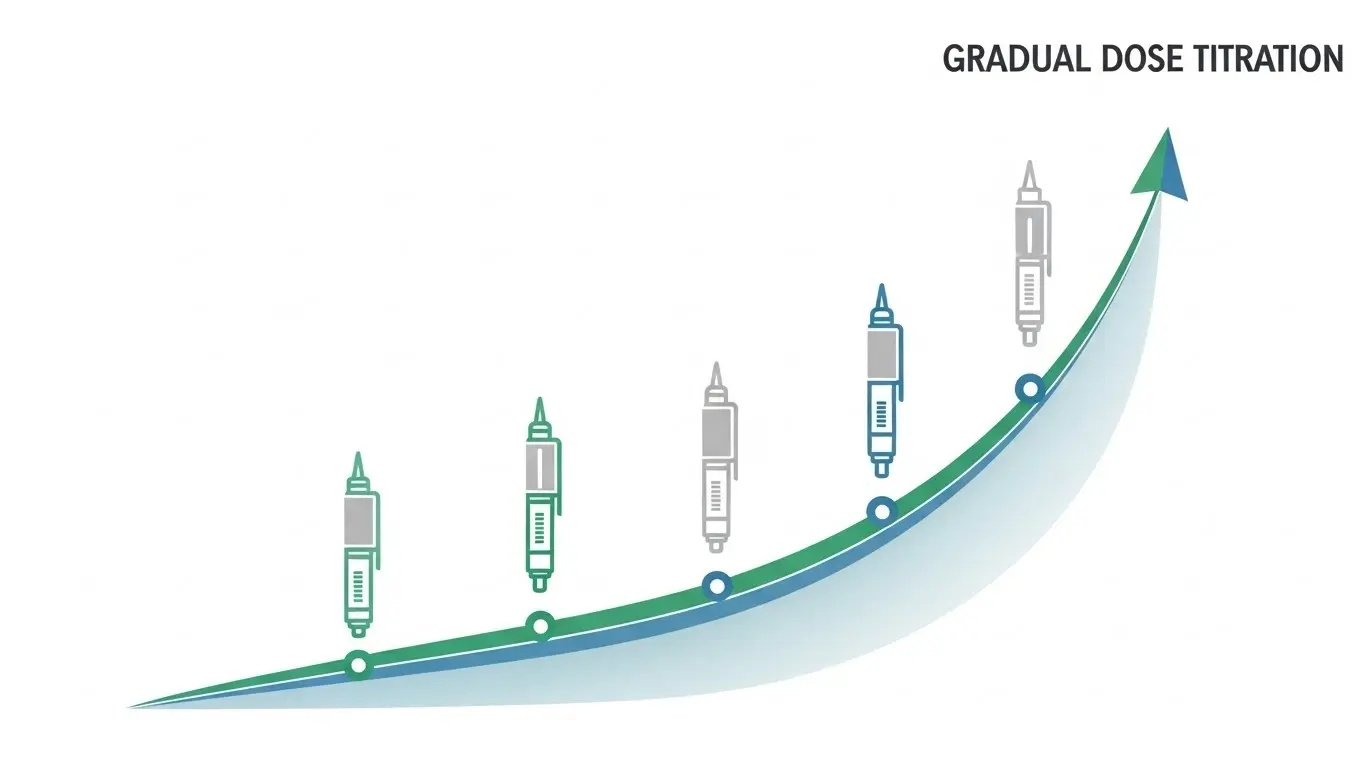
Dosing is where many safety problems start. Even when a medication is appropriate, starting too high or increasing too fast can worsen side effects and cause patients to abandon therapy early.
Clinicians typically plan titration to improve tolerability, reduce common GI effects, and support consistent use. Patients also receive education on what to expect, how to reduce discomfort, and what symptoms require follow-up.
Practical safety guidance patients should understand
- How to take the medication (schedule, missed dose guidance)
- Early side effects and how to reduce them (hydration, meal size, pacing)
- Which symptoms are “expected” vs “needs follow-up”
- When dose adjustments are appropriate
Step 5: Pharmacy verification before fulfillment

After clinician approval, partner pharmacies commonly run an additional verification step. This may include: confirming medication selection, verifying dose accuracy, screening interactions, and confirming shipping requirements.
If medication requires temperature control, cold-chain procedures may be used where appropriate. This step exists to reduce dispensing errors and protect medication integrity during delivery.
Step 6: Ongoing monitoring & follow-up (where safety is sustained)

Safety is not only about starting therapy — it’s about staying safe during therapy. Patients should report side effects early, follow clinician guidance, and ask questions before changing dose timing or stopping abruptly.
If concerns arise, clinicians may adjust dose, change titration pace, switch therapy, or recommend in-person care when necessary. Ongoing monitoring protects patients from “silent” risk escalation and supports long-term outcomes.
Urgent safety note
If you experience severe symptoms (such as severe abdominal pain, signs of allergic reaction, fainting, chest pain, or symptoms of a medical emergency), seek urgent medical attention immediately.
EEAT: How this content is written and reviewed
Authorship
Written by: Vitercure Editorial Team
Updated: Dec 17, 2025
This article is designed for patient education, using plain language, clear structure, and practical safety guidance.
Clinical review + disclaimer
Reviewed by: Licensed Clinical Reviewer
Educational content only. This does not replace individualized medical advice. Your clinician evaluates your specific situation.
For personalized evaluation, use the secure consultation.
Internal linking is intentional: it helps patients navigate to related guidance (FAQs, Resources) and supports a complete safety journey rather than isolated reading.
Frequently asked questions
Does Vitercure automatically approve prescriptions?
No. Requests are not auto-approved. A licensed clinician reviews your intake, medical history, risks, and appropriateness before any prescription decision.
What do clinicians check before prescribing GLP-1 or dual incretin medications?
They check contraindications, relevant medical history, current medications for interaction risk, dosing suitability, patient goals, and whether benefits outweigh risks for your profile.
What happens if I am not a good candidate for a medication I requested?
Your clinician may recommend safer alternatives, education-first steps, monitoring, or an in-person evaluation depending on the reason.
How does Vitercure help patients manage side effects?
Patients receive education on titration, symptom monitoring, hydration and nutrition strategies, and clear guidance on when to follow up or seek urgent care.
Is pharmacy fulfillment also checked for safety?
Yes. Partner pharmacies typically run additional checks such as dose confirmation, interaction screening, and shipping requirements (including cold-chain when needed).